“Collaborative.”
Every firm claims to embody it. Every proposal highlights it. And when everyone says the same thing, the word stops meaning anything at all.
Owners can’t be blamed for glossing over it. “So what?” you might think. Show me why it matters.
At Baldwin & Shell Construction Company, we agree. Collaboration shouldn’t be a marketing buzzword. It should be a measurable behavior that solves real problems and protects your project’s budget, schedule, and outcomes.
Here’s a story that shows what collaboration actually looks like in practice.
A Hidden Issue With a Big Price Tag
On a recent K‑12 project, our team noticed something unexpected:
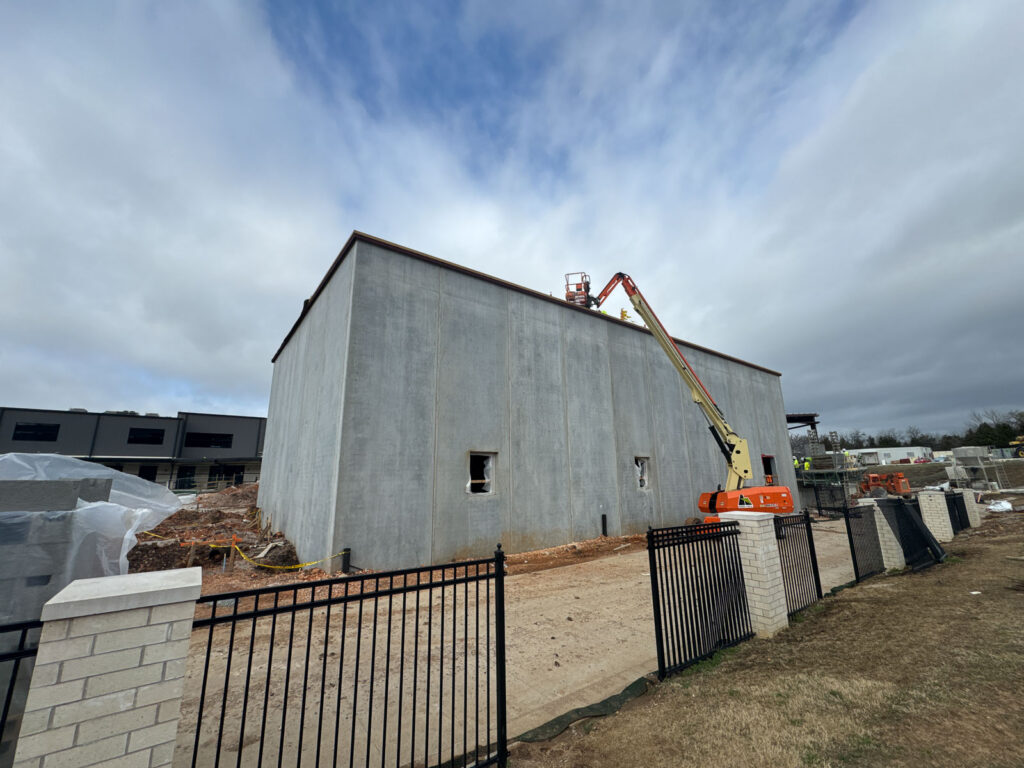
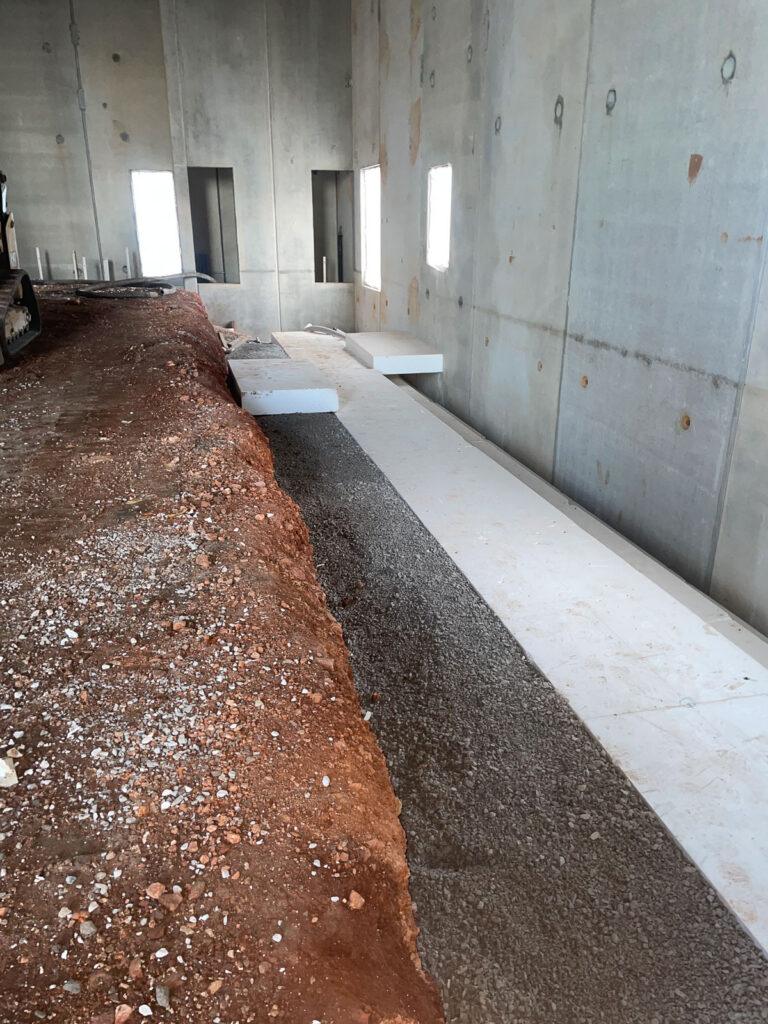
A precast safe room wall was unintentionally acting as a retaining wall. That meant it was taking on lateral loads the original design wasn’t intended to support.
The initial fixes on the table were traditional, straightforward…and extremely expensive.
Two proposed options:
- Thicken the wall
- Redesign the slab-to-wall connection
Either solution would have increased the project cost by $60,000 to $110,000 and jeopardized the schedule.
A typical project team might have defaulted to contractual roles, recommending one of those options and moving on.
That’s not how our team operates.
A Different Approach: Break the Silos
Instead of working in isolation, we brought everyone to the table – the architect, the structural engineer, and the precast engineer.
Together, we evaluated alternatives that maintained structural integrity without blowing the budget or altering the project timeline.
Drawing on the group’s collective expertise and our field team’s practical experience, we proposed a solution the owner hadn’t previously considered.
The Collaborative Solution That Worked
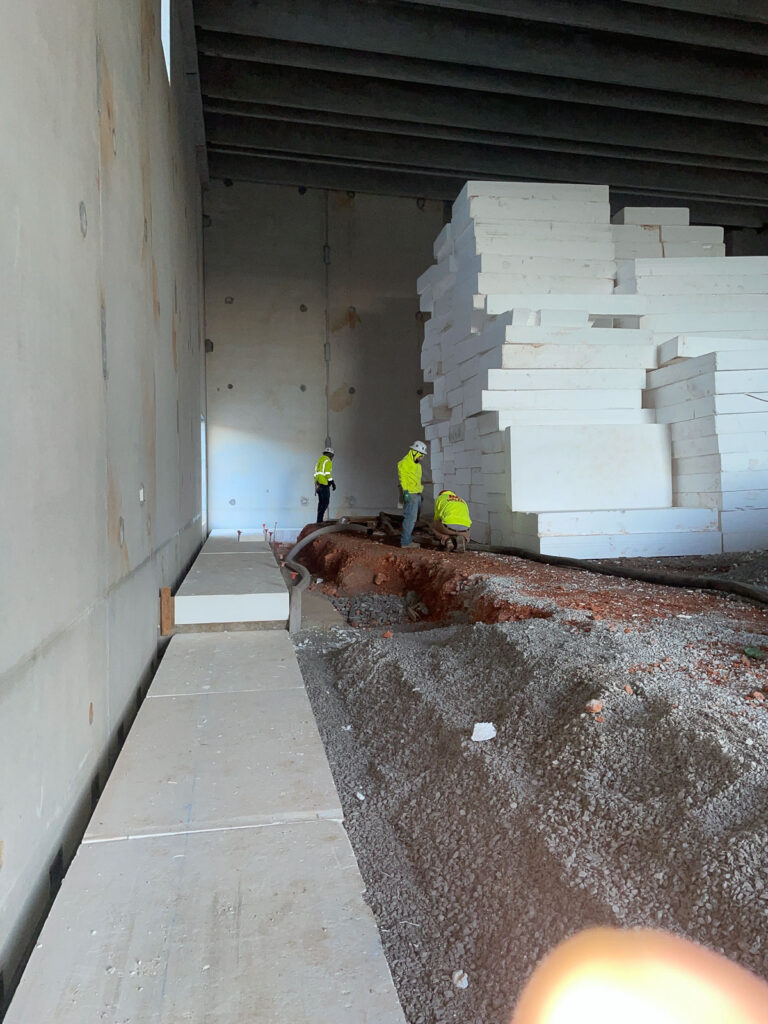
Rather than redesigning structural components, we recommended replacing heavy backfill with lightweight structural foam. This single change reduced the lateral pressure on the wall enough that no redesign was needed at all.
The result:
- Cost of solution: approximately $37,000
- Owner savings: tens of thousands of dollars
- Schedule impact: none
- Structural performance: fully maintained
The difference wasn’t luck. It was collaboration – real collaboration – the kind that treats the project’s best interest as everyone’s shared responsibility.
What This Means for Owners Evaluating Proposals
The next time you review a stack of contractor or construction management proposals and see the word “collaboration” repeated again and again, look for evidence, not promises.
Ask:
- Can you show me a recent example where collaboration saved the owner time or money?
- How do you bring designers and engineers together to solve a field problem?
- When a challenge arises, who gets involved — and when?
A team that collaborates only in theory will give you theoretical benefits.
A team that collaborates in practice can save you real dollars.
Sometimes tens of thousands of them.