What happens when builders believe in the mission behind the building
What if construction companies didn’t base every pursuit decision solely on profitability or backlog? What if we didn’t chase everything that crossed our desk? What if part of the decision came down to this question:
Does this project stand for something we believe in?
It’s a practical question, not a romantic one. Because while numbers matter, such as margins and backlog, they don’t always tell the whole story. They don’t tell you whether a project will pull people together or wear them down. They don’t tell you whether your team will feel proud of the work when it’s finished. And they certainly don’t tell you whether the building will genuinely support the purpose it was created for.
When a construction company believes in the mission behind a project, the work stops being transactional and starts becoming intentional. Teams make better decisions under pressure. Collaboration feels more like partnership than negotiation. And the finished building more faithfully serves the organization it was designed to support.
This idea isn’t just feel‑good theory. Research consistently shows that projects with strong alignment between owners and contractors perform better across the metrics that matter most: cost control, schedule reliability, quality outcomes, and fewer disputes (Rahmani et al., 2025; Yahaya et al., 2024; Matu et al., 2021). Alignment isn’t a “nice to have.” It directly affects performance.
We’ve seen this play out firsthand.

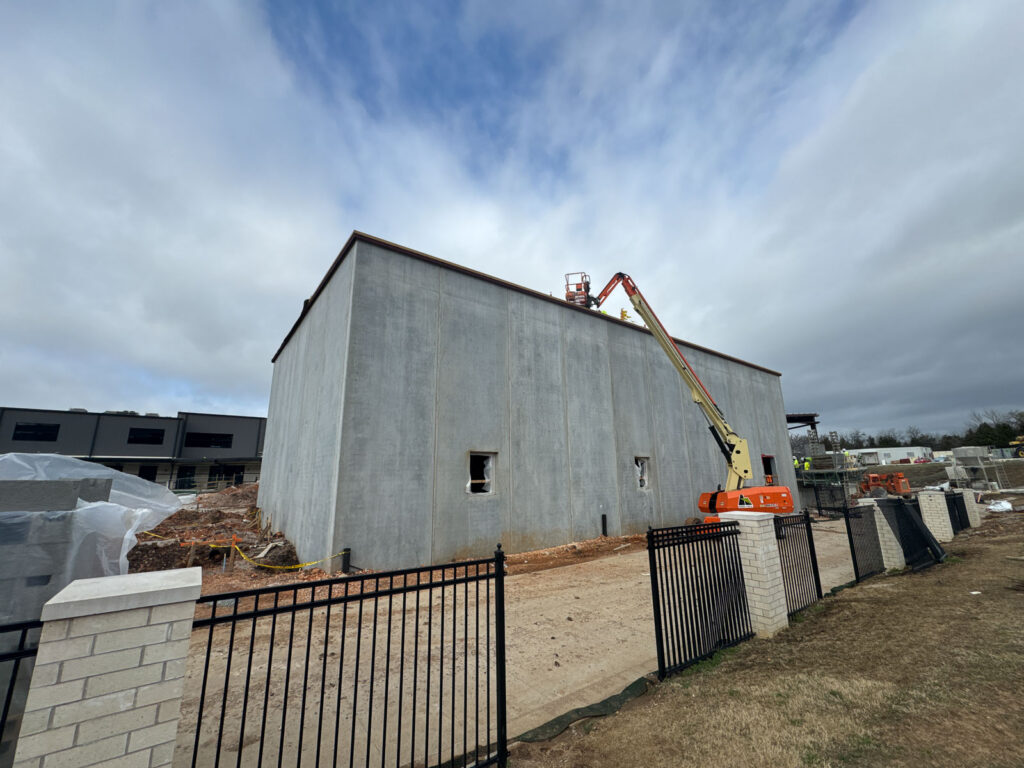
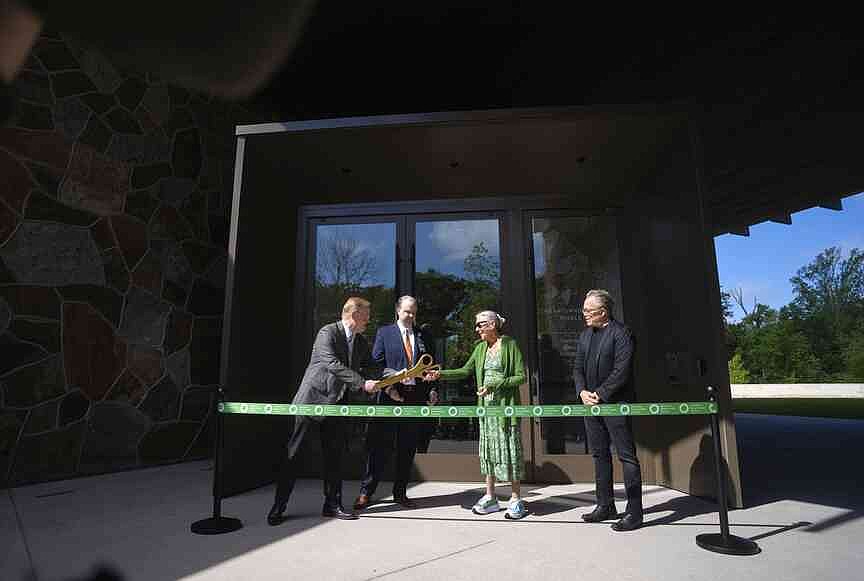
When we were pursuing the Heartland Whole Health Institute project, it was clear from the start that this wasn’t just another healthcare project. Their mission to increase access to care, improve outcomes, and help transform the healthcare system through a more holistic approach gave the building itself a higher calling. This facility was designed to house innovators and practitioners working toward breakthroughs that could ripple far beyond its walls.
Knowing that changed how the project was approached.
Conversations went deeper. Decisions weren’t framed solely around speed or cost, but around long‑term impact and adaptability. When challenges arose, as they always do, the question wasn’t simply, What satisfies the contract? It became, What best supports the people who will work here and the mission they’re advancing?
That belief showed up in small ways and big ones. In the care taken to protect design intent. In the willingness to collaborate early and often. In the pride the team felt watching the space come together, knowing what it would eventually enable.
Projects like Heartland reinforce something we’ve learned over time: when teams believe in why a building exists, they build differently. And when companies consistently pursue work that aligns with their values, the effects extend beyond any single project.
Cultures grow stronger because people want to be part of the work. Retention improves because employees aren’t just moving from job to job; instead, they’re contributing to something meaningful. Performance becomes more resilient because alignment reduces friction and conflict before they start.
Not every project will change history. But some might help shape it.
And those are the ones worth building with intention.